

Sampoornata
Kolkata Sanved works at the intersection of social development, mental health, and the arts, using Dance Movement Therapy (DMT) as a medium for healing, empowerment, and social change. We have pioneered the movement of DMT in India. We work towards the psycho-social rehabilitation and empowerment of marginalized girls and women, especially survivors of gender-based violence (GBV), trafficking, early marriage, unsafe migration, displacement, and extreme poverty. Through DMT, we enable participants to heal from trauma, build confidence, strengthen communication, develop emotional regulation, and reclaim agency. We also work with differently-abled individuals and people living with mental illness to bring about change in their lives through dance movement therapy.
Kolkata Sanved has pioneered a model called Sampoornata, a unique and culturally contextualized, evidence-based model of DMT.
Through its Sampoornata model, Kolkata Sanved has been a global pioneer in demonstrating how DMT can be integrated into the broader ecosystems of care and social change. Sanved has developed a unique pedagogy through this model, designed to cultivate DMT leaders and entrepreneurs, while facilitating systemic change. This approach positions DMT not just as a therapeutic practice, but as a transformative tool capable of impacting communities and creating a larger social impact.
Through Sampoornata, we deliver interventions to participants, using the medium of DMT. Sessions are conducted in groups and are customized and contextualized according to the requirements of each group and community.
Key Principles of Sampoornata
This model has adapted the core principles of the global DMT practice to lay the foundation of Sampoornata.
The 4 core principles of Sampoornata are as follows:
- DMT as a creative methodology-grounded in movement, aesthetics engagement, the therapeutic elements of dance, spontaneity, improvisation, expression, exploration, and imagination
- Body-based practice-recognizing the body as central to healing
- Beyond the hegemony of verbal creation-power which surpasses verbal therapy
- Experiential learning-participants heal through doing, feeling, reflecting, and experiencing - building trauma informed care awareness and mental health rights through public platforms and collaborations
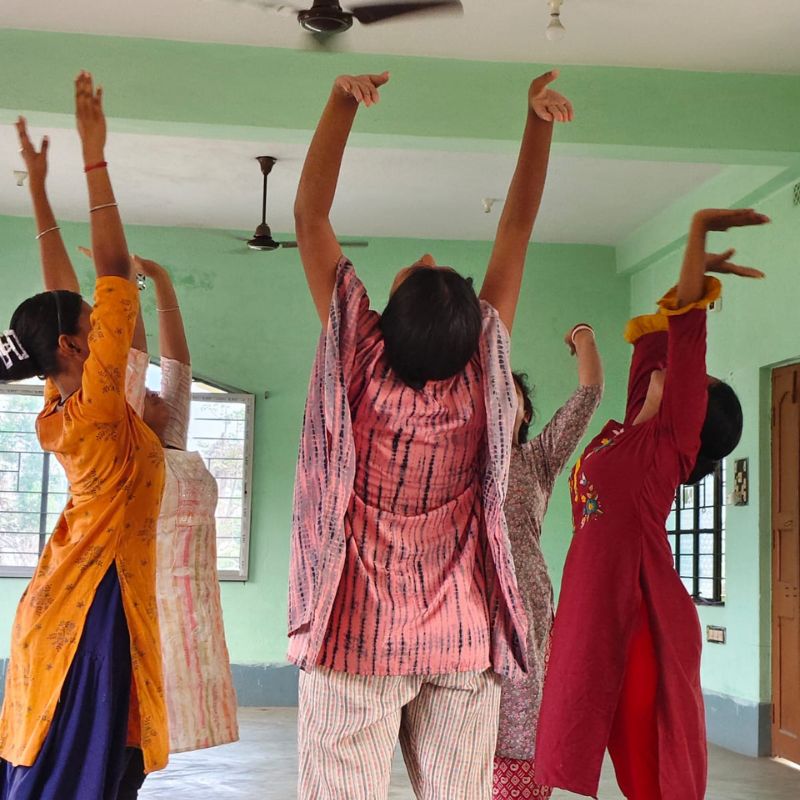
Group-Centred Practice
Sampoornata thrives in group settings, where collective energy, safety, and shared experiences help participants heal and grow together.
- Conducted in groups of up to 10 to 20 participants
- Facilitated by two trained practitioners
- Inspired by Indian dance traditions, Navanritya, folk rhythms etc
- Uses techniques such as breathing, gestures, Navarasa, rhythm and meditation

Survivor to Healer to Leader
A unique aspect of the model is the transformation of survivors into practitioners and leaders, creating a ripple effect of empowerment within their communities.
- Survivors of trauma become practitioners and healers
- Experience makes them uniquely positioned to intervene
- In time they evolve into leaders and advocates of social change

Feminist & Trauma-Informed Lens
The model is grounded in feminist principles and trauma-informed care, empowering participants to reclaim agency over their bodies and lives.
- Emphasises reclaiming the body from restrictive gender norms
- Embeds trauma-informed care
- Safety and healing are seen as collective responsibilities
Sampoornata unfolds in six stages
01. Movement for All
Exploring and reconnecting with the body.
02. Expression of the Unconscious
Working through emotions.
03. Body–Mind Process
Developing regulation and balance.
04. Integration of Self
Healing and restoring wholeness.
05. Transformation
Regaining dignity and identity.
06. Reintegration
Reclaiming place and agency in society.
Transformative Impact
Outcomes of Sampoornata
Sampoornata creates lasting change by addressing the body, mind, and community together. The model goes beyond clinical approaches, focusing on healing, empowerment, and sustainable wellbeing in diverse social contexts.
Healing and Wellbeing
- Improves health, stamina, and comfort in one’s body
- Builds resilience, emotion regulation and coping skills
- Strengthens self identity and enables reintegration
Empowerment
- Enhances voice, agency, and economic independence
- Breaks stigma, fosters inclusion and drives social change
Beyond Clinical
- Moves beyond individuals and helps community wellbeing
- Effective in low-resource settings
- Very scalable and sustainable
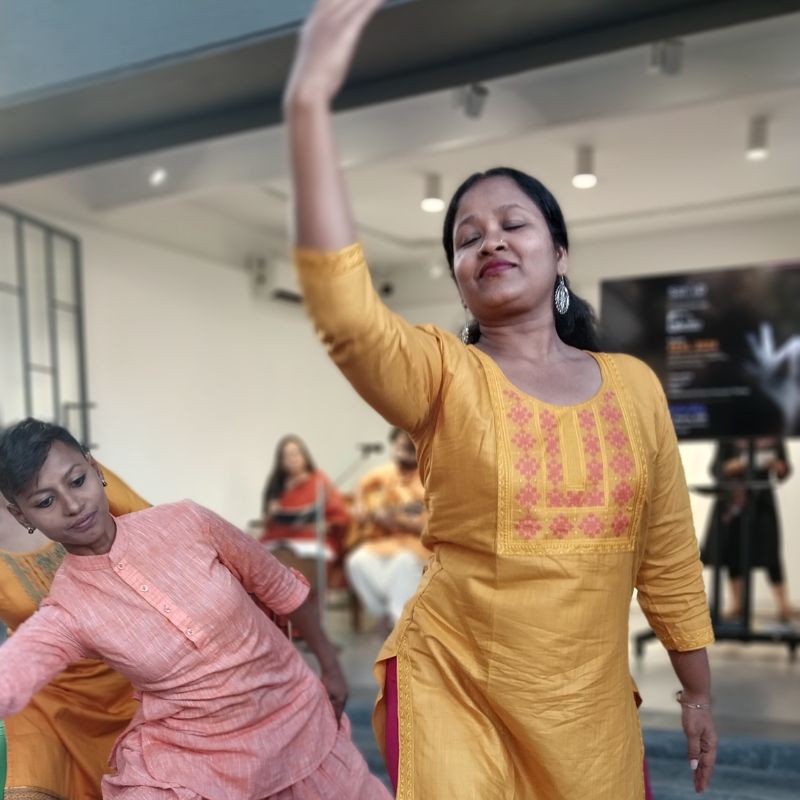
IN ESSENCE
Why Does Sampoornata Matter?
In essence, Sampoornata is:
- Cost-effective and rights-based
- Accessible across diverse populations
- Works in collaboration with governments, NGOs, and academic institutions
- Builds an ecosystem where survivors become change-makers