Trauma Healing
A body-based healing journey using Dance Movement Therapy (DMT) and Creative Arts Therapy (CAT) for individuals who have gone through trauma. The program creates non-judgmental, participatory spaces where survivors reconnect with their bodies, move toward creative wellbeing and reclaim dignity.
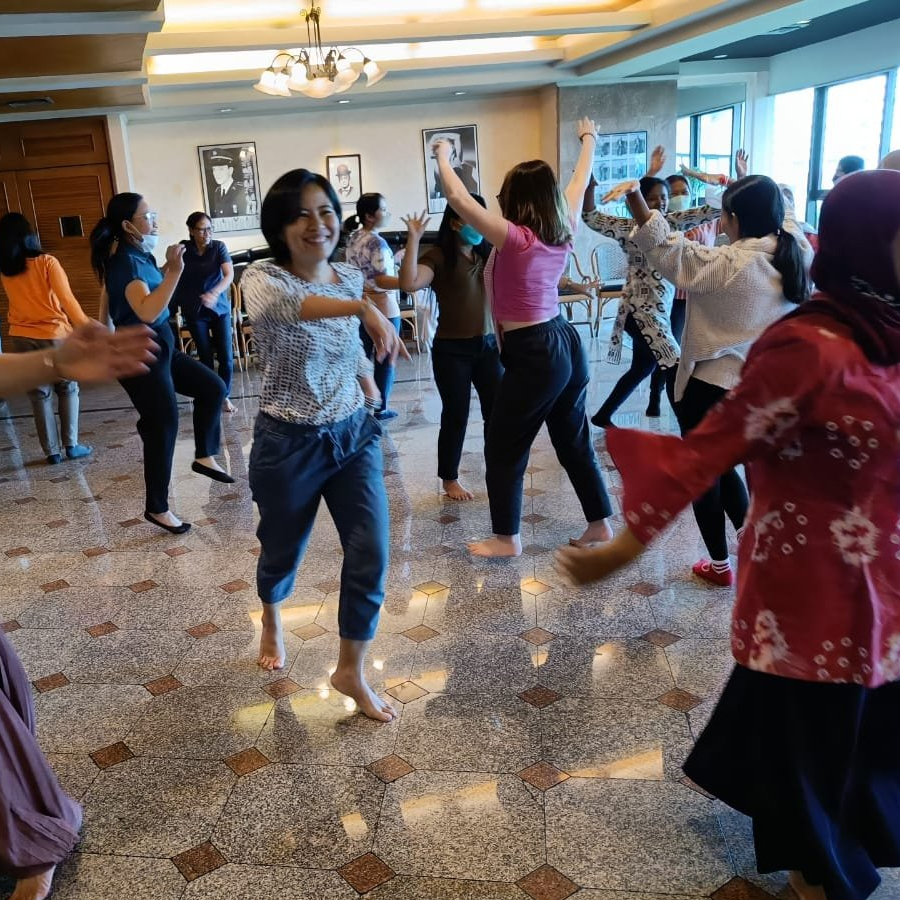
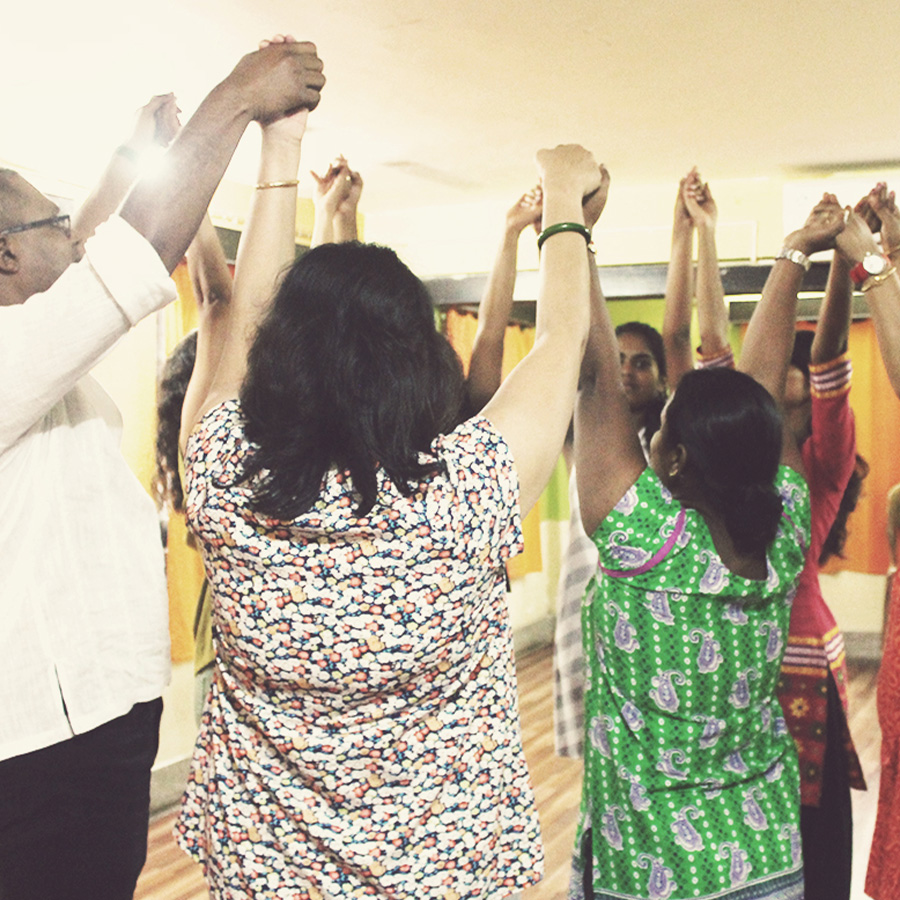
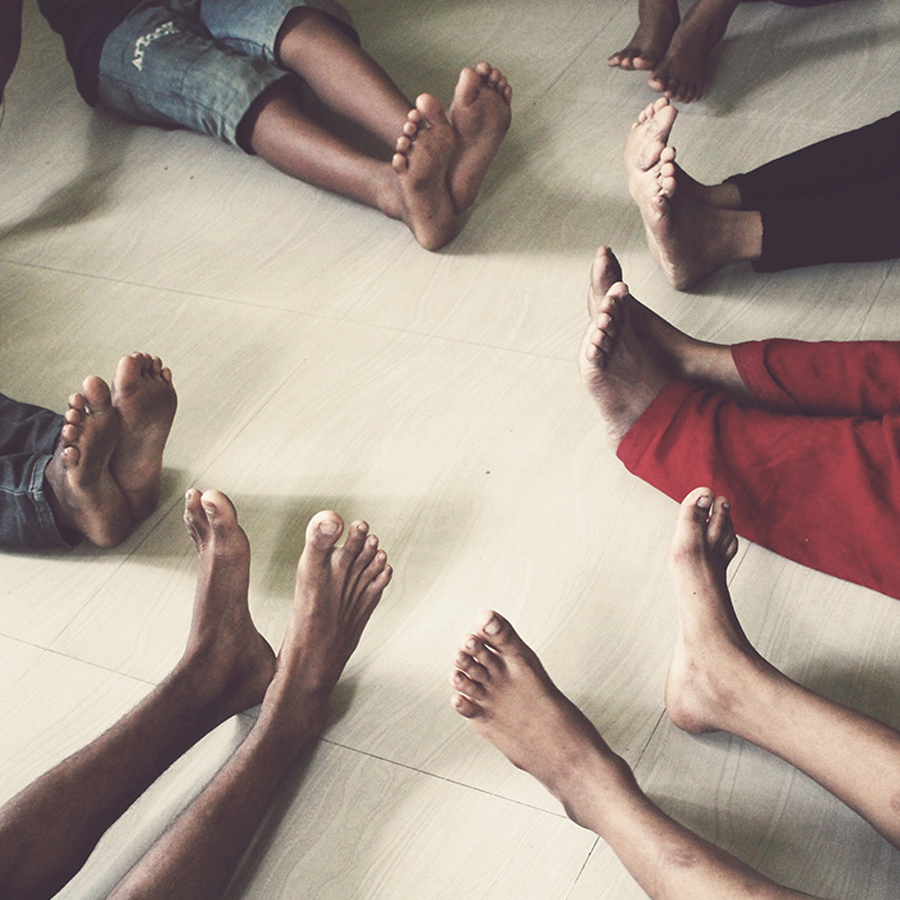
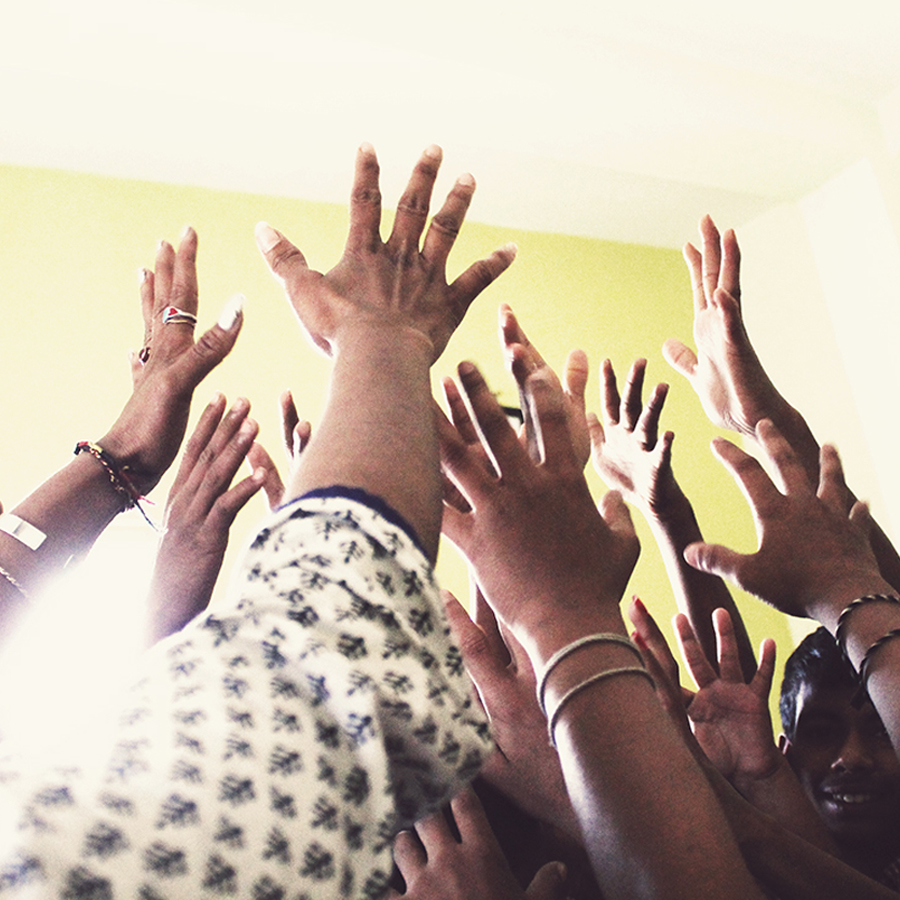
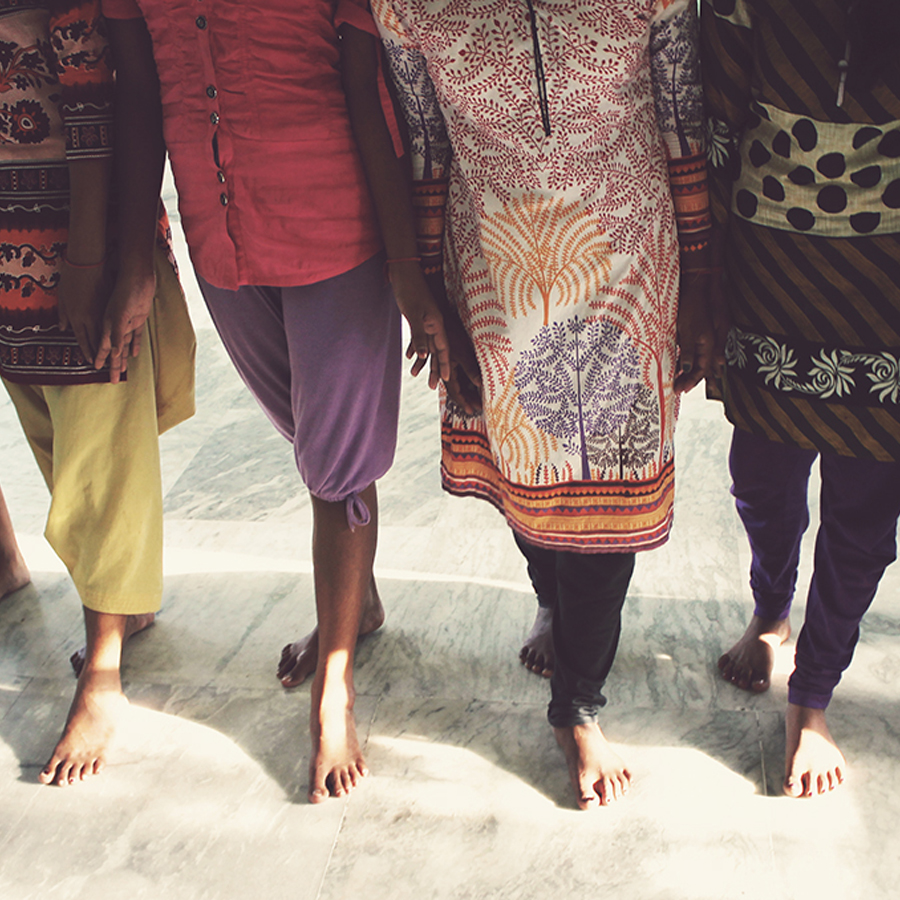
We strive to co-create a space for survivors to cope with trauma, reclaim agency, and sustain wellbeing within supportive communities. Through structured arts-based processes, participants grow resilience and self-belief.
Our interventions work towards-
- Facilitating trauma healing via DMT/CAT
- Creating non-judgemental, participatory environments
- Building confidence, dignity, and self-expression
Survivors face thin social support, stigma around GBV, gender-norms and layered discrimination that block them from seeking support and healing.
They face:
- Limited mental-health support systems
- Stigma around GBV and disclosure
- Physical, emotional, social impacts of trauma
We enable creative wellbeing and social acceptance by holding space, reducing stigma, and nurturing voice and agency.
Our programs provide:
- Safe, non-judgmental participation
- Reduced gender discrimination
- Resilience and self-worth through arts
At the intersection of social development, mental health, and the arts, aligned to global goals on health, gender, and equity.
Domains:
- Social Development
- Mental Health
- Creative Arts
- SDGs: 3, 5 & 10
We work with institutional and community partners primarily in West Bengal and Maharashtra. Our collaborative partners include shelter homes, groups working with survivors of GBV/human trafficking (who are primarily adolescents and young women) and the Department of Women and Child Development (DWCD) in West Bengal and Maharashtra. Our partners include Mahima in Kolkata, Suprava Panchashila Mahila Udyog Samity (SPMUS) in Murshidabad and Kshamata Training Center in Mumbai.
Participants grow resilient, communities respond to gender-based violence (GBV), and a self-sustaining wellbeing model emerges.
Outcomes include-
- Resilience and coping skills
- Agency to manage trauma and wellbeing
- Survivor–stakeholder confluence on GBV response
- Community wellbeing model established